
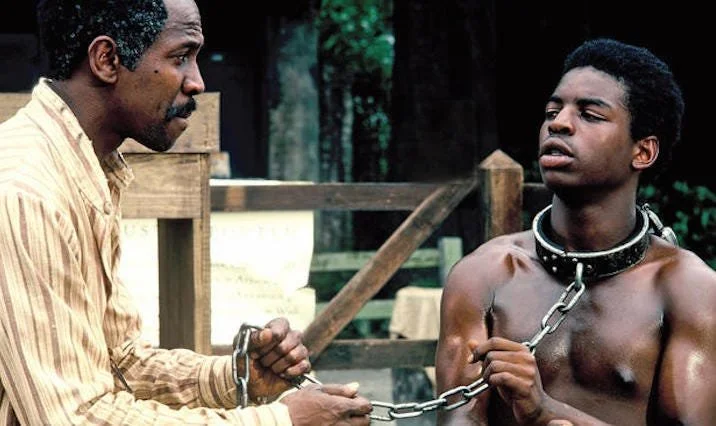
In 2016, This Is Us debuted, and it was a magical experience, telling the story of a family over several generations. We got attached to the characters as we saw them back and forth through all the stages of their lives, but the key bond was that they were a family, dipping back to the ’50s and forward to sometime in the future.
The show did a lot of interesting, groundbreaking things; however, there was another show that came around 40 years earlier that was doing some very similar things.
Yes, this was originally a miniseries. And it was based on a book. And instead of a white family, granted with an adopted Black son, it was about an African man in the 1700s captured and sold in the transatlantic slave trade, and the many generations that followed. But it was great and had a lot of things in common.
I’m talking about the 1977 miniseries Roots, along with Roots: The Next Generations two years later.
Some might say this is a cheat, since it wasn’t meant to be a TV series, it was meant to be a miniseries. But you could make the same argument for Fargo and True Detective, so I’m sticking with it.
Each episode of Roots was around an hour and a half, and the less-seen but almost-as-good The Next Generations the same, totaling around 18 hours of content, which could be around 3–4 seasons of a contemporary show, so I think in all ways it qualifies.
This especially stands out because it came out in a time where most TV shows had self-contained episodes, and this one told a continuous story of a family, starting with Kunta Kinte, abducted and brought all the way to the US, sold into slavery, and following the next six generations of his descendants, going all the way to Alex Haley, who sets out to uncover the story of his great-great-great-great-grandfather.
It has a ’70s TV budget, and the old-age makeup might be some of the worst makeup I’ve ever seen, but it doesn’t matter because the stories in it are so powerful. Every time we move to a new generation, it’s easy to start missing the last one, but then you begin getting attached to the newest one and their story, as the world very slowly, but eventually, does improve.
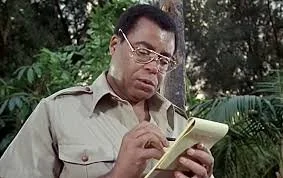
And the cast can rival a Marvel movie. Just to name a few: James Earl Jones, Marlon Brando, LeVar Burton, Leslie Uggams, Robert Reed, Todd Bridges, Lloyd Bridges, Andy Griffith, John Amos, Sandy Duncan, Henry Fonda. Alright, I could just keep going. It’s ridiculous.
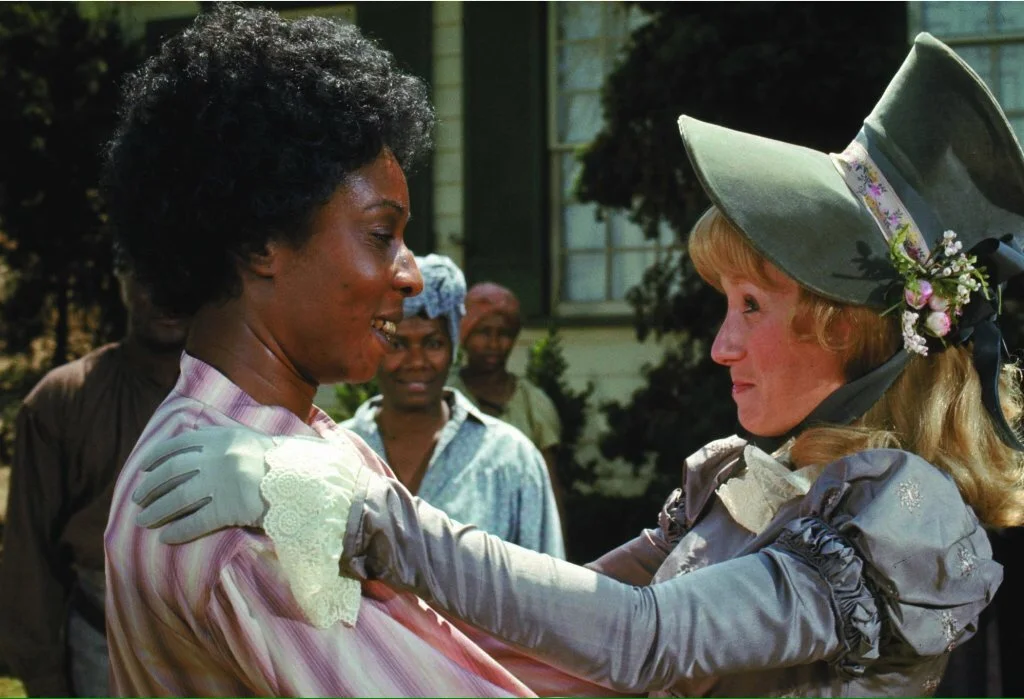
We get to see the progress of the United States, as Kunta Kinte is brought here before the Revolutionary War, and through mostly the enslaved people’s perspective, we get to see the birth of the country, the Civil War, emancipation, a couple of World Wars, and the Civil Rights Movement. It stands as a history lesson.
But it also stands as a family drama.
Family is such a big piece of the series. Kunta is constantly trying to get back to his family in Africa. The only thing that stops him is when he forms a new family and wants to be a father to his daughter, Kizzy.
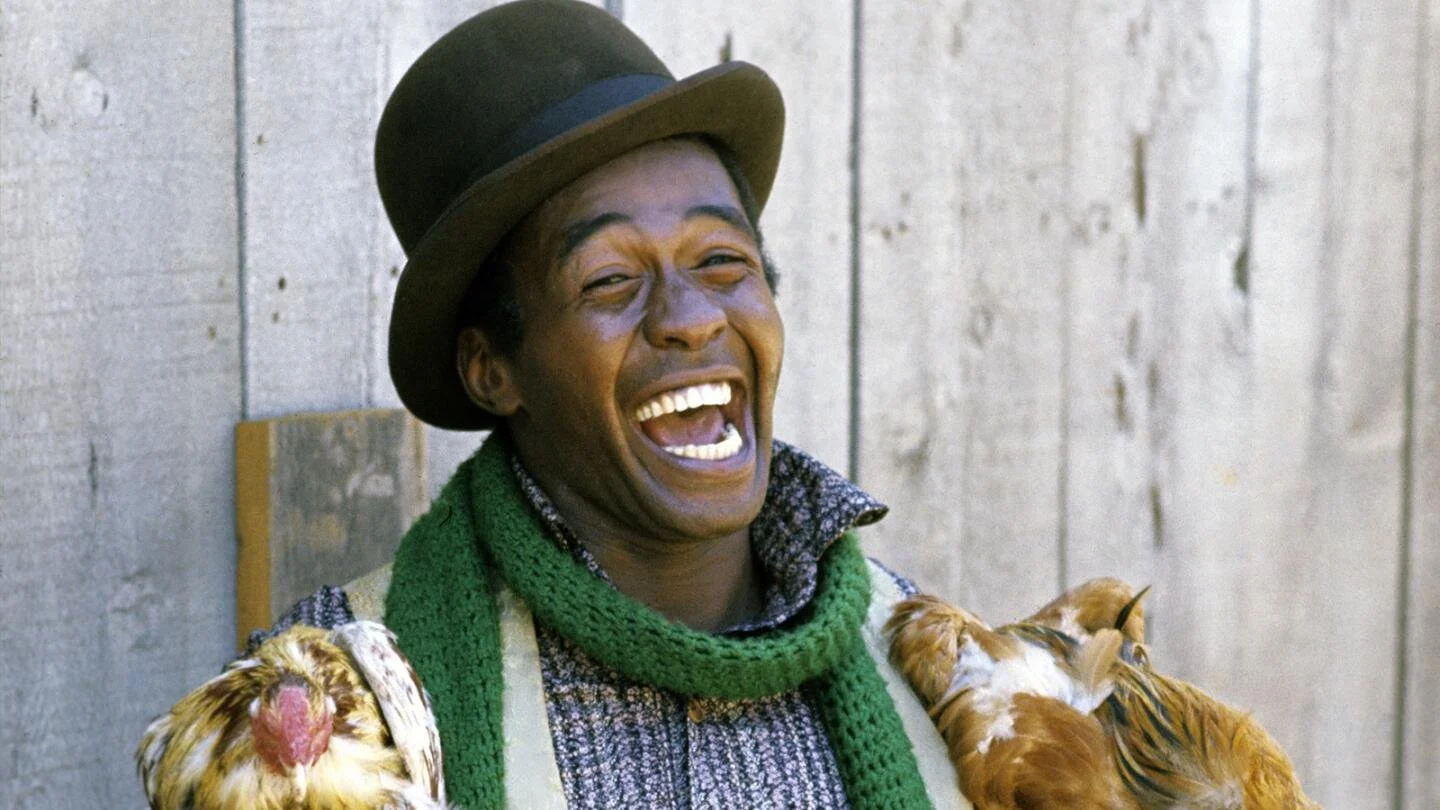
Her son, Chicken George, faces his own family conundrum as he discovers his father is his enslaver and wants complete freedom.
Eventually, it’s family that drives Alex Haley to finally become the writer he knows he can be, when he’s inspired by the stories of Kunta Kinte that had been passed down generation after generation.
Being mostly white myself, it feels a bit weird writing about this topic, but I also get the impression Roots wouldn’t want me to feel this way. Ultimately, the series is about how important family is, and if we can all treat each other like family, we’ll never have the kind of hate and terror that occurs throughout the series.
So maybe the series would be a little different if it were told today.
Maybe instead of following the generations in chronological order, we’d bounce between Simon, back to Kunta, and then forward to Tom. Maybe there would be voiceover narration, or episodes that run in real time, or anything else.
And come to think of it, there was an updated Roots (I think the same year as This Is Us) that I still haven’t seen.
But the thing that makes this art is how relatable this story can be for everyone. There are a lot of sad moments and horror (I mean, look at the topic), but ultimately it makes the viewer feel good because it shows time and time again that many people can be good, and those going through hardships can prevail.
Kunta Kinte was forced to give up his name, but his great-great-great-great-grandson reclaimed it. The show begins and ends with the Kinte family in Juffure, The Gambia, and then the real Alex Haley comes on screen and urges us to learn about our own families. And after spending the last 18 hours learning why, it’s easy to believe.
This Is Us is able to follow in these footsteps, pushing the boundaries of TV forward. Its spiritual ancestor, though, in so many ways, is Roots.
We can trace this lineage to see how the modern awesome age of TV got to where it is. It’s all in the family.
Oh, and that one will be the next TV as art article, by the way.
What TV shows would you consider to be works of art? What should we highlight?