
An eternal debate with artistic media is which is more important: the artistic value or the entertainment value.
Rotten Tomatoes offers both sides, giving a critic score alongside an audience score. I’ve heard people say, “screw the critics, the audience determines what’s good,” and others say, “the critics determine what’s good.” While critics aren’t 1-to-1 correlated with artistic merit, and audiences aren’t just empty entertainment vessels, the overall scores sometimes seem to reflect this divide.
But are they always separate?
In his great book Hit Makers, Derek Thompson talks about popular art, and one of his points is that the works that achieve mass popularity are the ones that build on something familiar while also doing something novel.
But let’s put aside immediate popularity. What about work that endures and is beloved for decades, if not longer?
I think there’s a similar intersection to the one Thompson describes. This intersection can often be found in what’s considered the best work in history.
This intersection is experimentation with accessibility. Or even more bluntly, it’s artistic meets entertaining.
From 1963 to early 1965, The Beatles were considered a pure pop band, most associated with women fainting, simple pop songs, and the overall vibe of Beatlemania. Of course, if we examine A Hard Day’s Night or Beatles for Sale now, we can see they were far more inventive and boundary-pushing than a superficial glance might suggest, but by and large they were a pop band, making catchy songs and doing lots of covers.
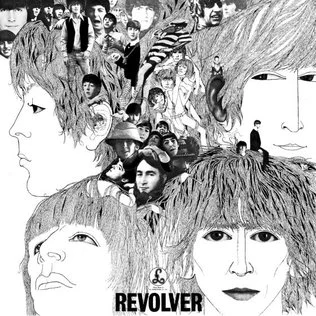
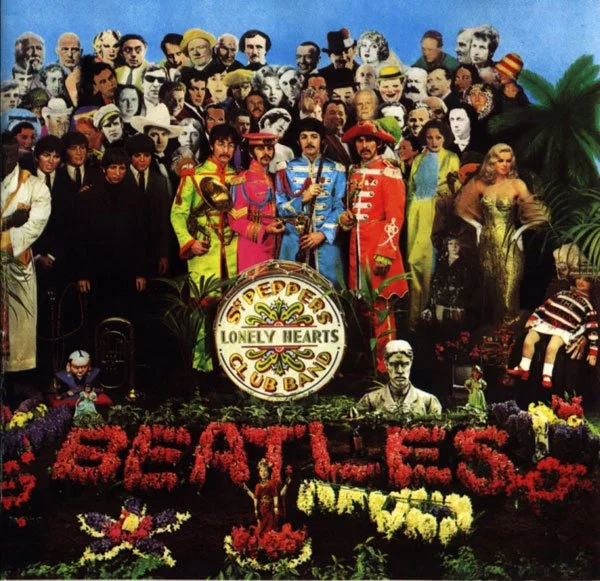
Then, in 1965, they started to push boundaries. They made Rubber Soul, followed by Revolver, followed by Sgt. Pepper’s Lonely Hearts Club Band. Three albums of original work, each pushing boundaries more than the last.
Rubber Soul introduced the sitar, a range of original ideas, and some experimentation. Revolver, inspired by psychedelics, introduced backward guitars, tape loops, and themes of death. And Sgt. Pepper’s set out to break all the rules.
But despite their experimentation, they were still making catchy pop songs. “Tomorrow Never Knows,” “A Day in the Life,” “Within You Without You,” and “Eleanor Rigby” could get stuck in your head just as easily as “She Loves You” and “I Want to Hold Your Hand.”
They were pushing the boundaries of what music could be while still making music enjoyable to listen to.
This continued through the rest of their career, continuing to push boundaries in an accessible way (okay, maybe “Revolution 9” isn’t an easy listen, but it’s also on a double album full of songs that are).
They crossed this boundary, and in fewer than seven years of making albums, they produced some of the best, most influential music of all time.
Even though it borrowed from different genres, Star Wars was doing something radically different from anything that came before.
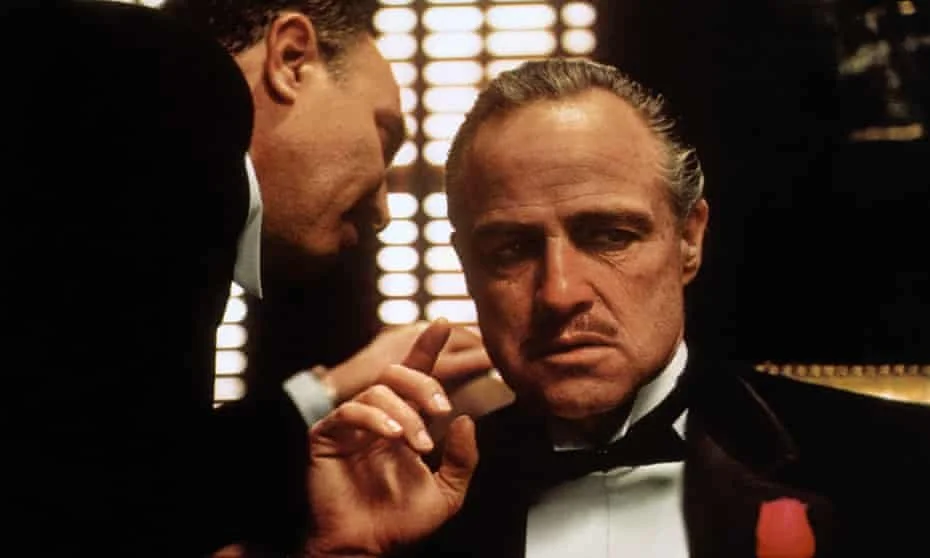
The Godfather was telling a story about the Mafia as an epic family drama.
Dog Day Afternoon made a bank robbery feel like a documentary, and got us to like the robbers, while also introducing themes and concepts that were scandalous for the time.
Taxi Driver took us on one of the darkest rides imaginable.
Jaws made an action-thriller so unique, it became a blueprint for a new kind of blockbuster.
And all of these movies are so entertaining. The first and last are often criticized for being so entertaining that they forever shifted movies toward blockbusters.
Despite any criticism, they are often cited as some of the greatest movies ever made, while also being easy to watch, with captivating characters and compelling stories.
Disneyland itself was an inventive project, an immersive piece of art, created by Walt Disney after he noticed that theme parks were too kid-oriented, and he wanted to create something adults could enjoy as well.
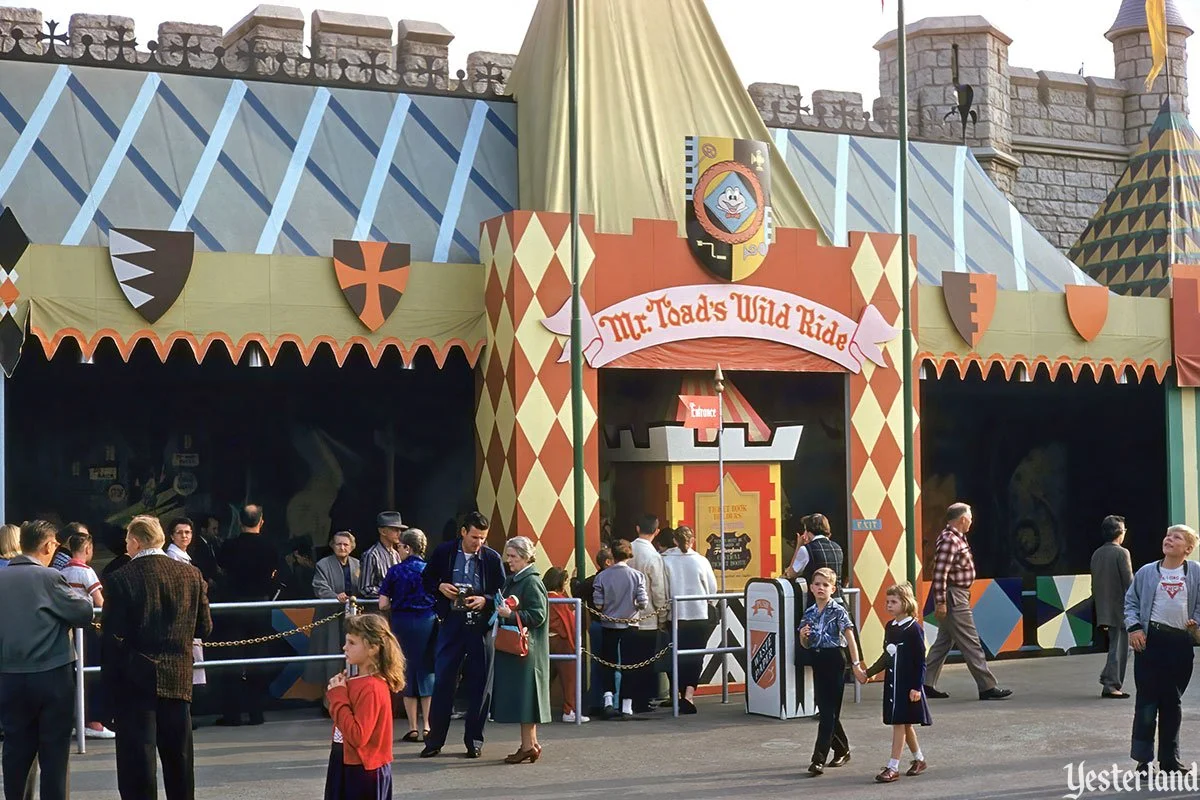
Disneyland itself was an inventive project, an immersive piece of art, created by Walt Disney after he noticed that theme parks were too kid-oriented, and he wanted to create something adults could enjoy as well.
When you step into Disneyland, you can enter the Wild West, an 1890s small town, an exotic land, and the future.
Now, if we actually lived in the past, things might not go so well, but these are idealized versions of it. This isn’t the past exactly as it was, with all its violence and injustice, but how it should have been. The future is also not one of our nightmares, but an optimistic version of what it could be if we get things right.
The rides might take us to terrifying places, like a pirate-infested town, outer space, or a haunted mansion, but despite the danger, there’s a sense of comfort and welcome. We belong there, even among the pirates and poltergeists.
So often experimentation gets treated as homework, and entertainment gets treated as mindless slop.
But this is a false dichotomy. This is less a problem of either quality, and more a problem of balance. Student films don’t always strive to appeal to the masses, and Hallmark movies don’t usually strive to be works of art, but there’s power in being able to do both.
We can see this reflected in some of the most iconic art today: Kanye’s music, Breaking Bad, Labubu figures, etc.
The Breakfast Club might not be high art, but the creative choices it makes, like the dance sequence, make it more iconic. The Shining might have been so stylized that Stephen King disliked it, but even if not everyone agrees on what it all means, it remains deeply entertaining and terrifying.
When an artist can master this balance, not being ashamed to be entertaining and not being afraid to take risks, we end up with something people will always love.