
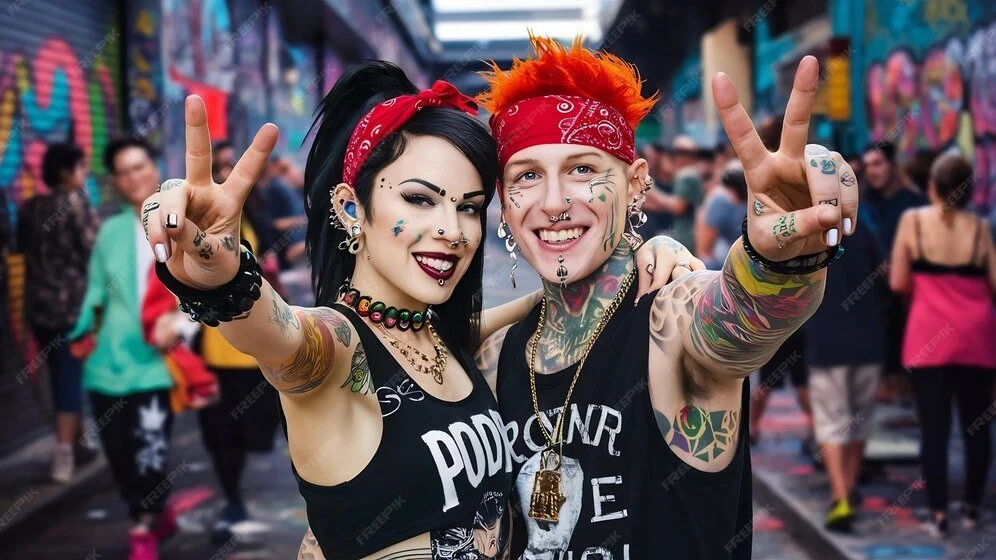
What do you think of when you hear the word punk? A dude with a mohawk, wearing a Bad Religion T-shirt, stuck somewhere in the 1970s? A straight-edge kid with face piercings? Someone at any age bucking authority?
The term has meant a lot of different things to different people over the past few decades. And then I hear, just like how no one identifies themselves as a hipster (other people do), anyone who identifies as punk isn’t actually punk.
Recently, I’ve heard people on all sides of the political divide claiming that they’re the true punk, while the other side is the mainstream machine.
So what actually is punk? Let’s look at the origins of the word to tell us…
Ok, it means prostitute. Nevermind…
Instead, let’s look at the agreed-upon meaning of it today (looking to the mainstream, how incredibly un-punk of me!). Beyond colored hair, the Misfits, and sleeping in a van, the word can take on different meanings. It can be a genre. It can be someone starting trouble with someone. Ashton Kutcher can pop out of the bushes and Punk’d you at any given moment.
But most universally agreed upon, it’s an attitude of bucking the mainstream. It’s being subversive.
And ideally it’s not being subversive just for the sake of being subversive, but because there’s some sort of truth that lies outside the mainstream, and bucking it is the only way to reach this truth.
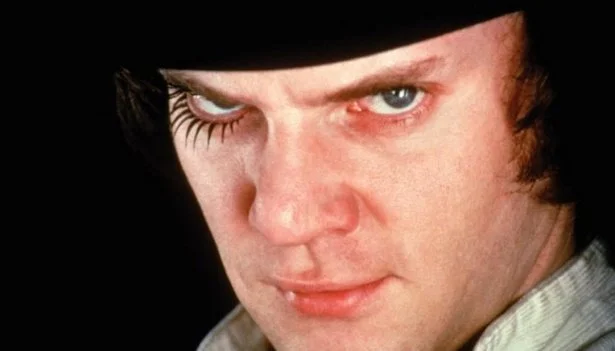
So artistically, yeah, Black Flag is punk, but so is Apocalypse Now, A Clockwork Orange, American Psycho, and The Blair Witch Project.
I’m going to lean specifically into Western culture, and even more specifically into American culture. We have traditionally been a very optimistic culture, with rocket ships and Wall Street and exceptionalism and all that fun.
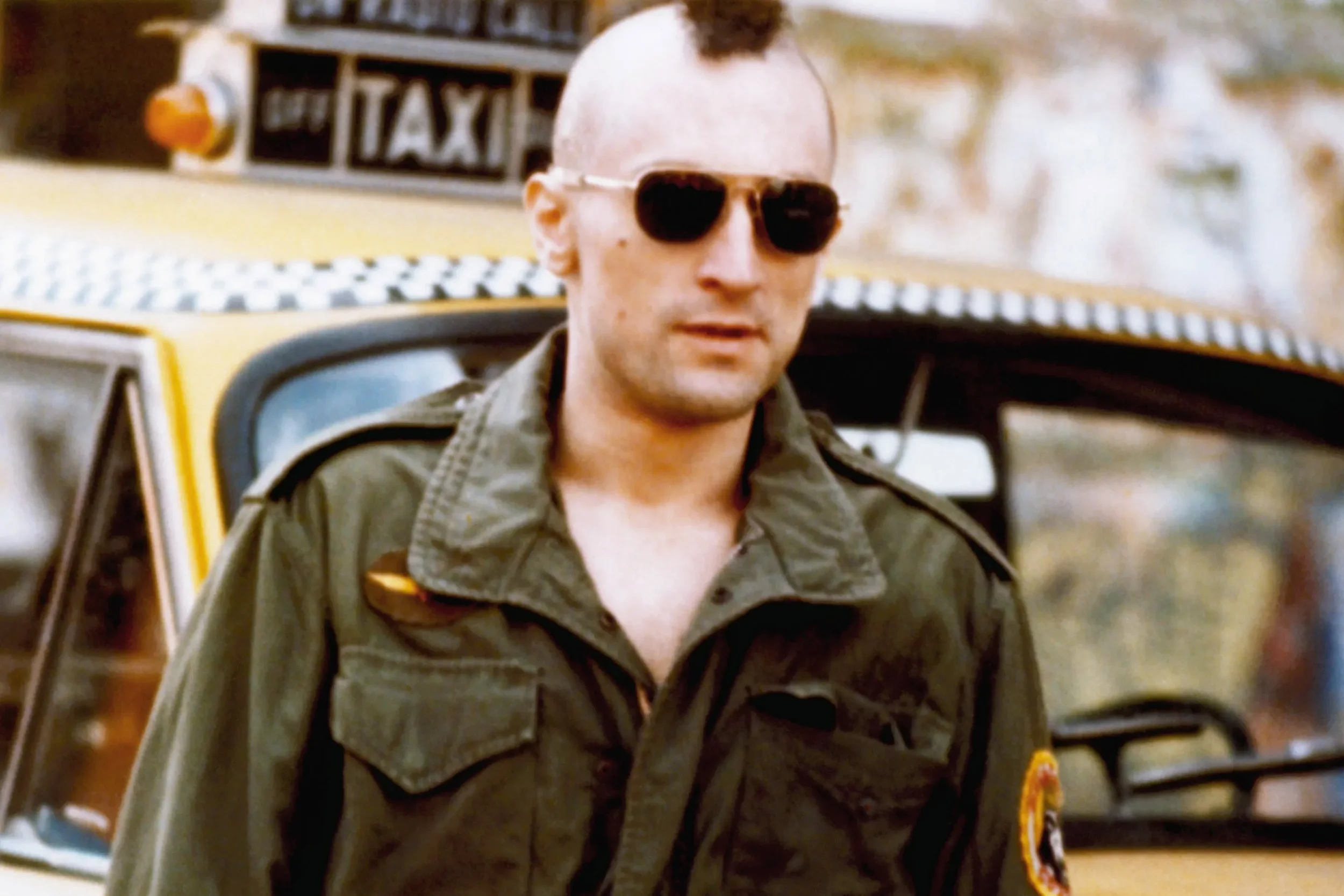
Punk was a reaction to that, pointing out all the blind spots these happy jerkoffs weren’t seeing. Because we were in an optimistic time, the Sex Pistols, Taxi Driver, and Network had to come along with a little healthy pessimism to tell us where we could do better.
Most views of the future were optimistic ones with flying cars, happy people, and an environmentally friendly world, so we needed a Mad Max to come along and say, nah-uh, things might go bad.
But we aren’t in those times anymore. We’re in a time where everyone thinks everything sucks, most of the world is their enemy, and we’re all doomed.
Flying cars have been replaced with a technological apocalypse, happy people have been replaced by a zombie apocalypse, and an environmentally friendly planet has been replaced with The Day After Tomorrow.
A big part of this is social media, knowing what everybody else is thinking at all times, and a culture of sustained outrage because sustained outrage is what sells. We’re scared, pissed off, and pissed off that we’re so scared. We’re convinced AI is going to take over, worried about not even living to the point of seeing it take over, and annoyed that if we do live, we’re going to have to put up with a bunch of assholes in the meantime.
So with that, I want to return to punk. How does punk stop being punk? How do we get our Blink-182’s?
Creators and Artists
A huge goal of mine with Candie TV is to bring forth talented artists, writers, and filmmakers.
Often, creators approach us with feature films. And while this can lead to amazing careers (Tarantino bouncing off Reservoir Dogs, Kevin Smith bouncing off Clerks), movies are a one-and-done kind of thing.
It’s when what we thought of as punk becomes mainstream. Even within punk circles, you can be outcast for not being punk enough. In other words, you didn’t fit into the mainstream of that culture.
The doom and gloom of the culture was in fact necessary. However, doom and gloom is now mainstream. As a culture we used to see the possibility and optimism, and we needed a subversive movement to show us the things we weren’t seeing; now that we’re all so rooted in the negative, what do we need?
There’s so much content out there right now, and while a lot of great things are getting made, there’s also a lot of bad, and this is because we’re not looking outside of this mainstream. What happens is the mainstream itself tends to be cynical, but we’re also stuck in the belief that the subversive must be negative.
I think this is the wrong way to go about it. In these times, being subversive means finding the happiness that’s out there — the happiness we’re blind to in the days of outrage-sharing and news algorithms designed to keep the adrenaline pumping through us.
Community
Candie TV is something I started with every intention of being subversive. We want to create great art outside the mainstream and lead a movement of much more great art.
I truly hope we’re not alone in this, but art needs to start looking to the positive. We can have a better future; we can have happier people.
We can create a better world through art.
We have lost this, but we can gain it back. We can take a breath and realize that while a bad future is possible if we’re not careful, a good future is also possible too, and we can use that as a compass.
Does this mean Candie TV is going to be sunshine and roses?
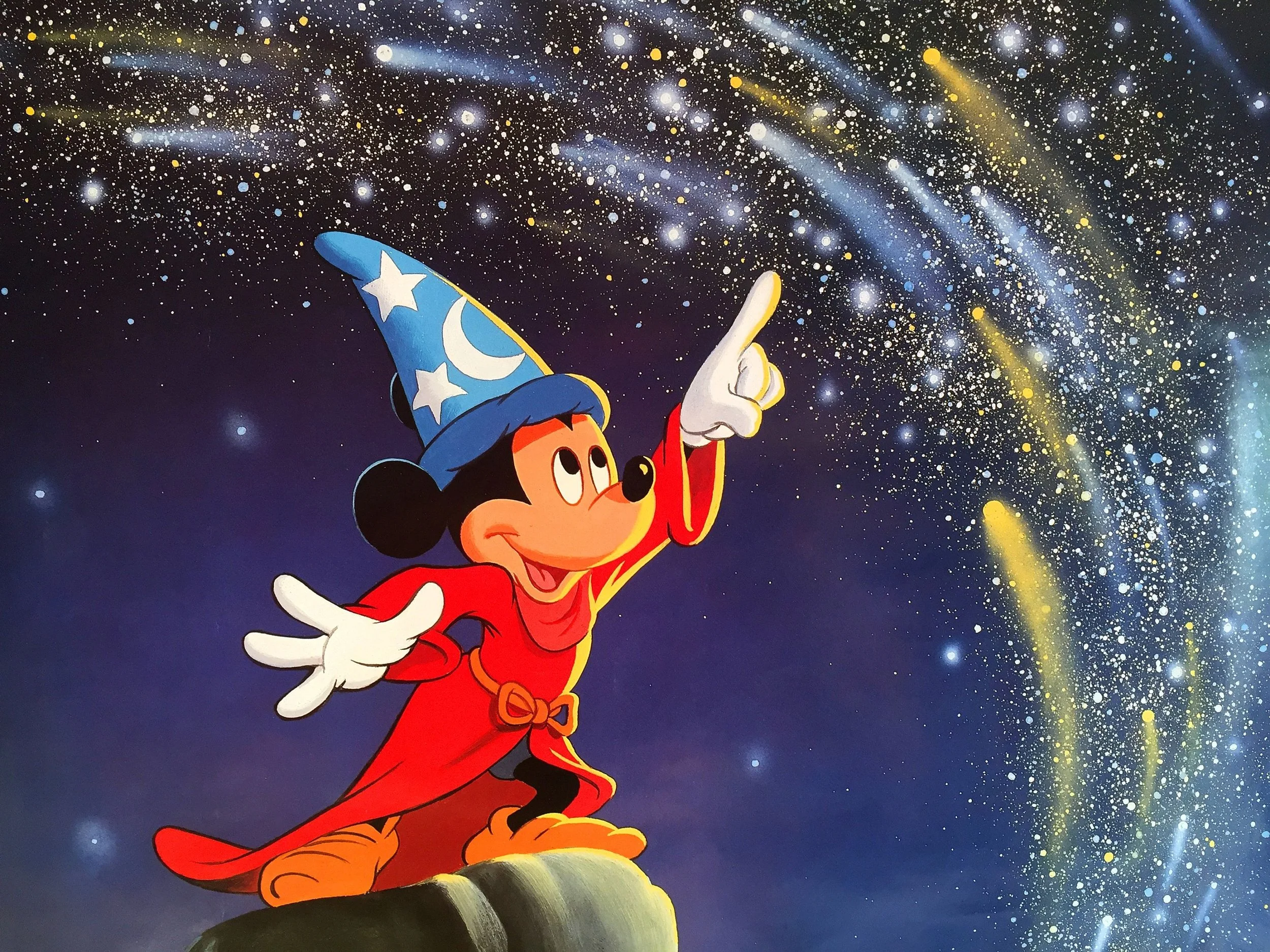
Nah, we’re way too punk for that. Being optimistic doesn’t mean you don’t have an edge. Look at Disney’s early work, which was an earlier subversion to darker thinking. Fantasia is optimistic but also dark and edgy AF.
This is something embedded in the culture and the type of world we want to make. And I want to invite you to join us in the movement.
And I know definitively, me writing an article about us being punk makes us the least punk thing ever (I guess we’re the Blink-182 of streaming services). And maybe we’re a bunch of hipsters instead. But it really doesn’t matter. What matters more is that this subversive movement of optimism does happen, leading us to a better, happier, more inspired world.
And we most definitely can do this through the art of television, especially as we enter the Obsidian Age of TV.
So get on either your spiked jackets or your ironic horn-rimmed glasses. We’re going to make creating a better world cool.